Payment Route Transformations Affecting Live Dealer Tables and Athletic Wagers Across Platforms
Yara Wagner · Nov 9, 2026
Payment Route Transformations Affecting Live Dealer Tables and Athletic Wagers Across Platforms
Payment pathways continue to evolve in ways that directly influence how operators structure live dealer experiences and sports wagering options across desktop, mobile, and tablet environments, with data from industry reports showing increased adoption of instant transfer systems in late 2026.
Cross-Platform Integration Patterns
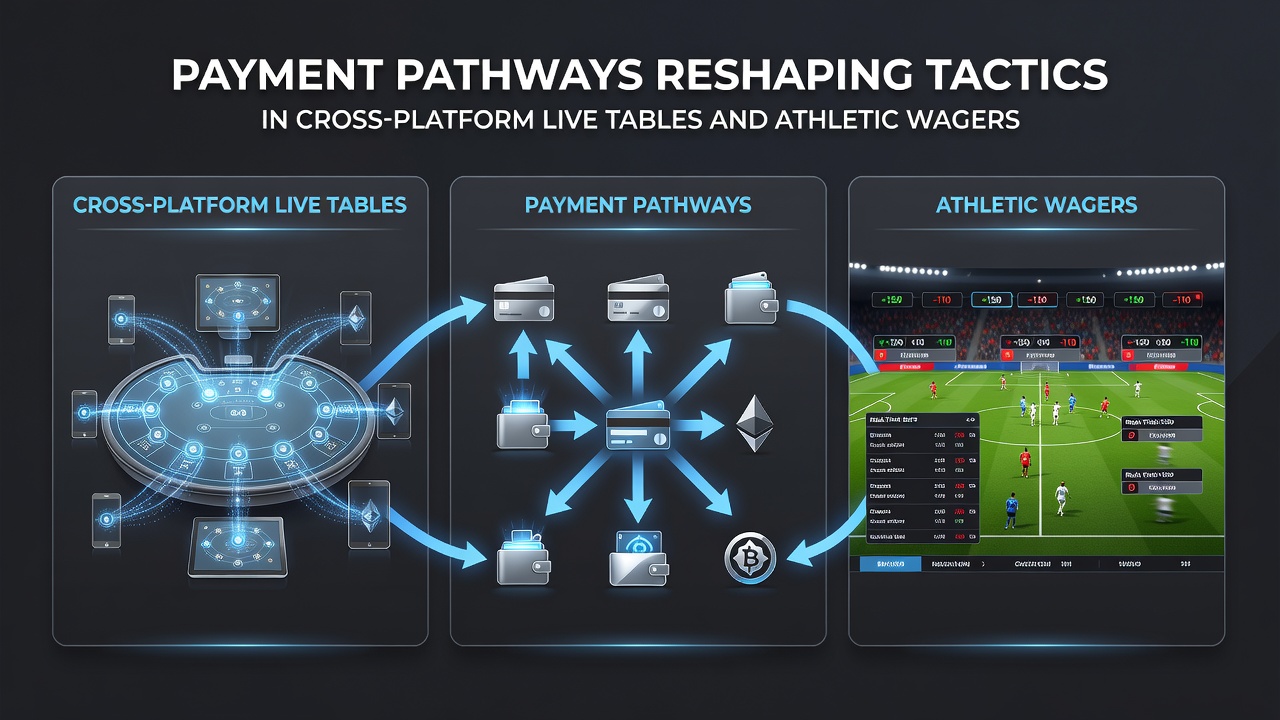
Operators have integrated unified wallet solutions that allow seamless movement between live table sessions and athletic wager placements, whereas earlier systems required separate logins and funding steps for each vertical. Research indicates these integrations reduce transaction friction by up to 40 percent according to figures released by the European Gaming and Betting Association in October 2026. Players can now fund a poker table mid-hand or switch to in-play football markets without exiting the application, which alters the timing tactics used in both formats.
Speed and Liquidity Considerations
Instant e-wallet options and bank-linked transfers have become standard features, enabling participants to replenish balances during extended live dealer sessions or before major sporting events begin. Data shows that platforms offering sub-30-second deposit confirmations recorded higher session durations in the third quarter of 2026, particularly for cross-device users who start on mobile and finish on desktop. Those who study transaction logs note that liquidity management now plays a central role in how live table participants decide when to join or exit specific games.
Regional Regulatory Influences on Payment Flows
Government agencies across multiple jurisdictions have updated rules around digital transaction verification, which affects how operators route funds for both live casino variants and sports markets. In Australia, recent guidelines from the Australian Communications and Media Authority emphasize real-time identity checks that must occur before cross-platform transfers complete. Similar adjustments in Canadian provinces have led providers to adopt layered authentication layers that maintain compliance while preserving quick access for athletic wagers placed during live events. These changes create consistent patterns where payment speed varies by region yet remains synchronized across a user's devices.
Tactical Adjustments in Live Tables and Sports Markets
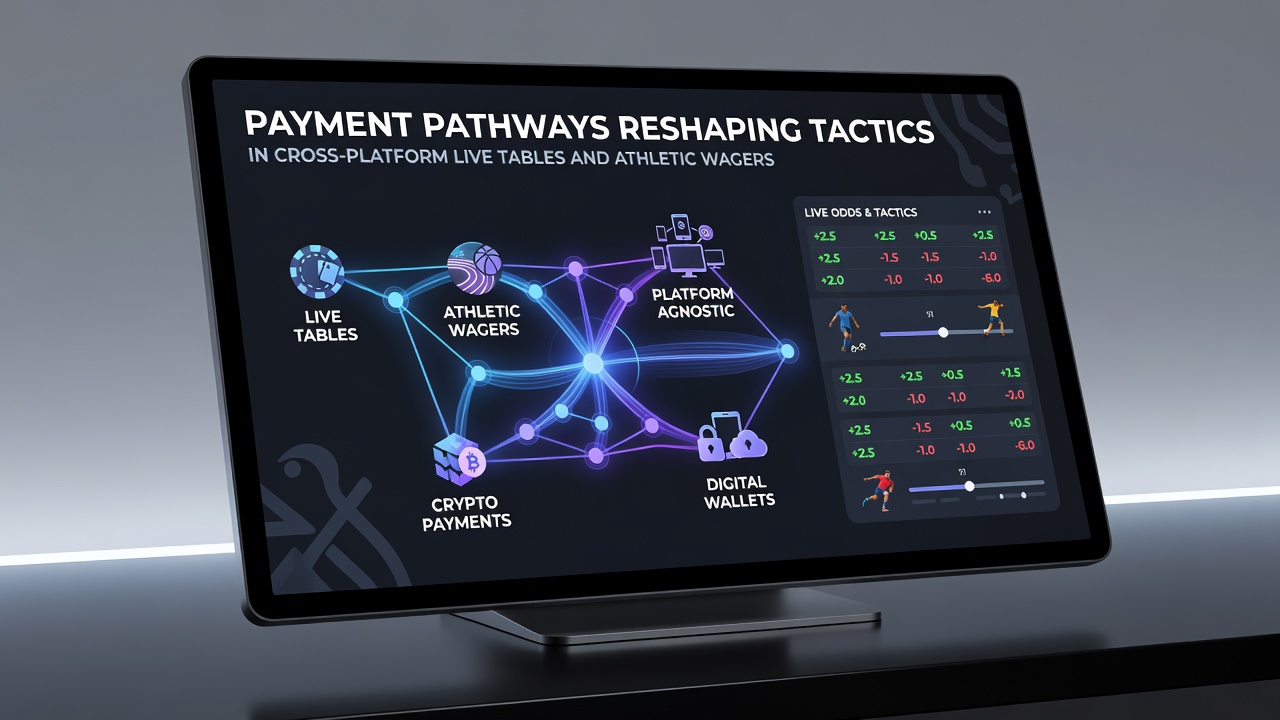
Live dealer participants adjust their session strategies around available payment rails, using platforms that support instant reloads to maintain stack sizes during high-volatility card sequences. Observers tracking behavior patterns report that users frequently select payment methods tied to loyalty incentives, which operators now align with both table minimums and sports bet limits. In athletic wagering, the ability to deposit during in-play windows has shifted focus toward pre-match funding tactics that incorporate multi-platform synchronization, allowing bettors to move funds from a live roulette session directly into an ongoing basketball market without additional verification delays.
Security and Verification Layers
Encryption protocols and biometric confirmations now accompany most cross-platform transfers, reducing unauthorized access incidents as documented in reports from the National Council on Problem Gambling. These layers integrate with existing bonus structures so that rewards tied to deposits apply uniformly whether a user engages with live tables or places athletic wagers. Researchers have observed that platforms implementing unified security frameworks experience fewer interruptions when players switch between verticals mid-session.
Future Trajectory Through Late 2026
Industry analysts project continued refinement of payment routing logic through November 2026, driven by ongoing collaborations between technology providers and regulatory bodies in the United States and the European Union. These developments focus on reducing latency while expanding support for localized payment preferences that align with both live dealer pacing and the rapid decision cycles found in sports betting. Figures from academic studies on digital transaction networks suggest that cross-platform consistency will remain a primary driver of operational changes in the coming months.
Conclusion
Payment pathway developments continue to reshape operational approaches in live table environments and athletic wagering platforms by enabling faster, more synchronized funding across devices. Regional regulations, security enhancements, and integration patterns together determine how participants manage their activity, with data indicating sustained evolution through the end of 2026.