Advancing Payment Technologies and Their Reach Across International Digital Poker Tournaments and Casino Platforms
Sam Baumann · Sep 14, 2026
Advancing Payment Technologies and Their Reach Across International Digital Poker Tournaments and Casino Platforms
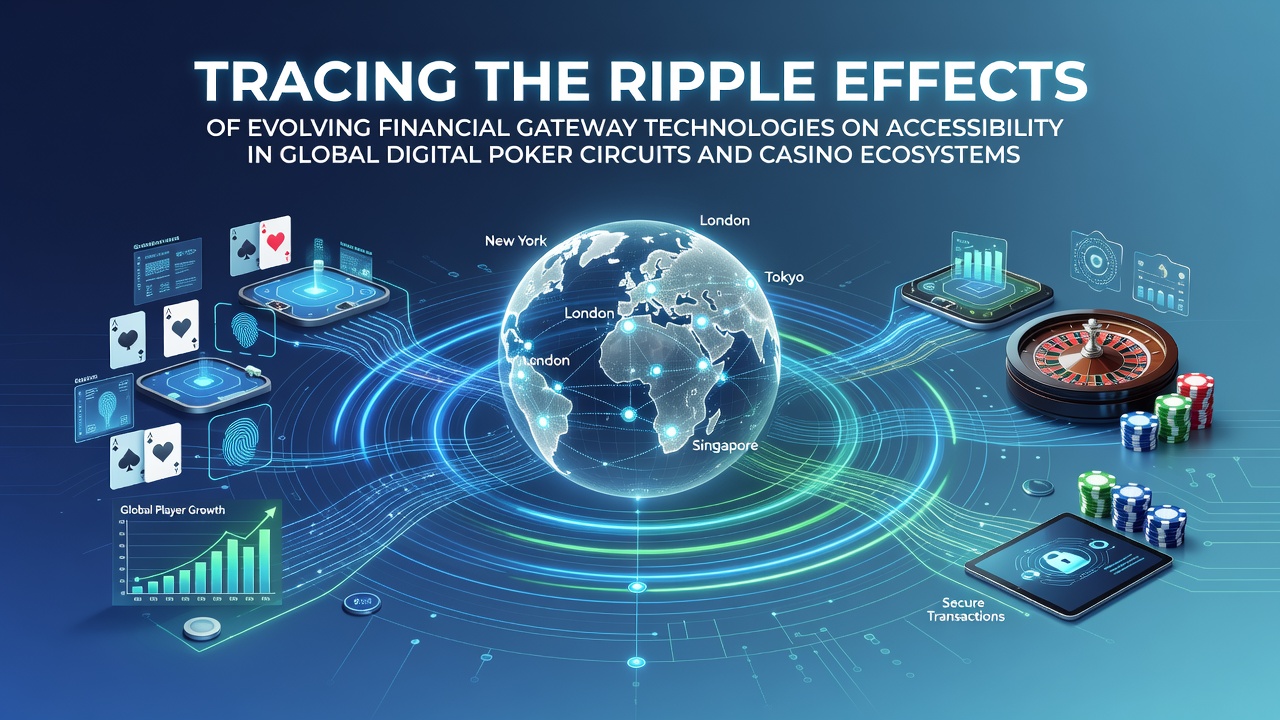
Financial gateway technologies have expanded their footprint in digital poker circuits and casino ecosystems over recent years, connecting players from diverse regions through faster transaction layers and broader integration points. Data from industry reports indicate that mobile payment adoption in these spaces rose steadily through 2025, with projections extending into September 2026 showing continued emphasis on cross-border compatibility. Experts tracking these shifts note that systems supporting instant transfers now handle larger volumes in poker tournaments, while casino platforms incorporate similar tools to manage live dealer sessions and slot interactions without traditional banking delays.
Core Components Driving Gateway Evolution
Payment processors and digital wallet providers have refined their protocols to address latency issues that once limited participation in high-stakes poker events held across multiple time zones. Researchers at academic institutions have documented how API connections between gateways and gaming operators reduce settlement times from days to seconds, allowing participants in remote locations to join mid-tournament without currency conversion hurdles. Figures from European analyses reveal that regions with updated regulatory frameworks saw measurable increases in active accounts tied to these gateways during 2025, whereas slower-adopting markets maintained steadier but lower engagement rates.
Encryption standards and tokenization methods form another layer, securing data flows that underpin both poker hand histories and casino balance updates. Observers tracking security implementations report that operators adopting multi-layer authentication experienced fewer interruptions during peak tournament hours, creating smoother access patterns for international users. This technical backbone supports the shift toward unified accounts that span poker circuits and broader casino offerings, where a single gateway handles deposits for Texas Hold'em sessions alongside roulette tables.
Accessibility Patterns in Poker Circuits
Digital poker tournaments have incorporated gateway upgrades that accommodate players from emerging markets where traditional banks impose higher fees on international wires. Studies conducted through university research programs highlight how e-wallet integrations lowered entry barriers for participants in Southeast Asia and Latin America, with transaction success rates climbing above previous benchmarks by early 2026. Those monitoring tournament registration data note that events hosted on platforms using these gateways recorded higher registration numbers from countries previously underrepresented due to payment friction.
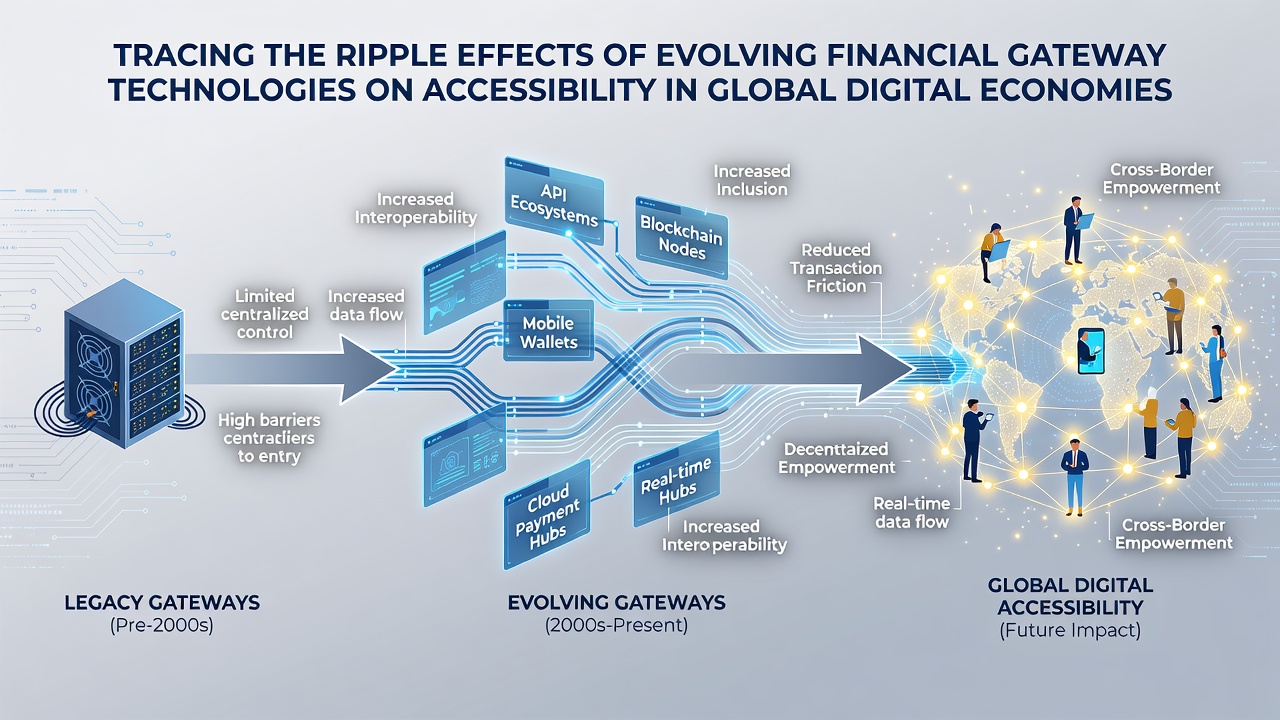
Regional variations appear clearly when comparing North American circuits to European ones. According to European Gaming and Betting Association reports, operators in EU member states integrated gateway solutions that aligned with updated data protection rules, resulting in expanded player pools for daily poker sit-and-gos. Meanwhile, Canadian analyses from the Responsible Gambling Council show parallel growth in mobile poker access tied to localized payment partnerships that bypass older clearing systems.
Casino Ecosystem Adjustments
Casino platforms have mirrored these changes by embedding gateway technologies into live dealer streams and automated table games, enabling continuous play sessions without repeated verification steps. Evidence gathered from operator metrics indicates that integration of real-time currency conversion tools expanded reach into markets with volatile exchange rates, sustaining participation levels even during periods of economic fluctuation. Observers note that September 2026 projections emphasize further rollout of these features in platforms serving Oceania and African regions, where connectivity improvements pair with gateway reliability to support longer engagement windows.
Table game variants and slot networks benefit similarly, as gateway APIs allow seamless movement between poker lobbies and casino floors within the same ecosystem. Data compiled by research groups show reduced abandonment rates at deposit screens when operators deploy these unified systems, particularly in jurisdictions that updated licensing requirements around digital payments during 2025. This connectivity creates pathways for players who previously navigated separate accounts for each format, consolidating activity under fewer transaction points.
Regulatory and Infrastructure Influences
Government bodies across continents have shaped how these gateways affect accessibility through licensing conditions that prioritize transaction transparency. In Australia, oversight from state-level authorities encouraged adoption of auditable payment trails that align with consumer protection standards, leading to higher compliance rates among operators serving digital poker audiences. Similar patterns emerge in Singapore's regulatory environment, where gateway approvals tie directly to system uptime guarantees that support uninterrupted casino sessions.
Infrastructure limitations in certain territories continue to influence outcomes, yet gateway providers have introduced offline-capable verification methods that bridge connectivity gaps during tournaments. Those analyzing participation logs find that these adaptations correlate with steadier user retention in areas undergoing network modernization, extending the reach of both poker circuits and integrated casino environments.
Conclusion
Financial gateway advancements continue to intersect with accessibility factors across global digital poker and casino spaces, with measurable effects documented through registration data, transaction volumes, and regional adoption rates. As September 2026 approaches, patterns established in prior periods suggest further alignment between payment infrastructure and operator platforms, driven by technical refinements and regulatory coordination in multiple jurisdictions. These developments maintain focus on expanding participation without altering core gameplay structures.